

How Ethylene Oxide (EtO) Sterilization Works: The Invisible Defender of Medical Devices

If you’ve ever had a medical procedure, used a syringe, or worn a bandage, you’ve likely benefited from a chemical gas you can’t see or smell.
About 50% of all sterile medical devices in the world are processed using Ethylene Oxide (EtO). It is a gold-standard sterilization method, especially for items that are too fragile to survive the scorching heat of steam or the intense radiation of gamma rays.
But how does a simple gas completely eradicate microscopic bacteria, viruses, and fungi without destroying delicate medical equipment? Here is a breakdown of the fascinating science and process behind EtO sterilization.
The Science: Alkylation (How it Kills Microbes)
Unlike heat sterilization, which cooks microbes, or radiation, which shatters their bonds, EtO works through a chemical process called alkylation.
Cellular Infiltration: EtO (C2H4O) is a small, highly reactive molecule. It easily penetrates the packaging and the cell walls of microorganisms.
DNA Disruption: Once inside, EtO attaches itself to the organism’s DNA, RNA, and essential proteins.
The Fatal Mutation: By binding to these cellular components, it replaces a hydrogen atom with an alkyl grou
p. This permanently mutates the DNA and deactivates the proteins, stopping the organism from reproducing or functioning.
Because the microbe can no longer reproduce, it is effectively dead.

The 3 Stages of the EtO Cycle
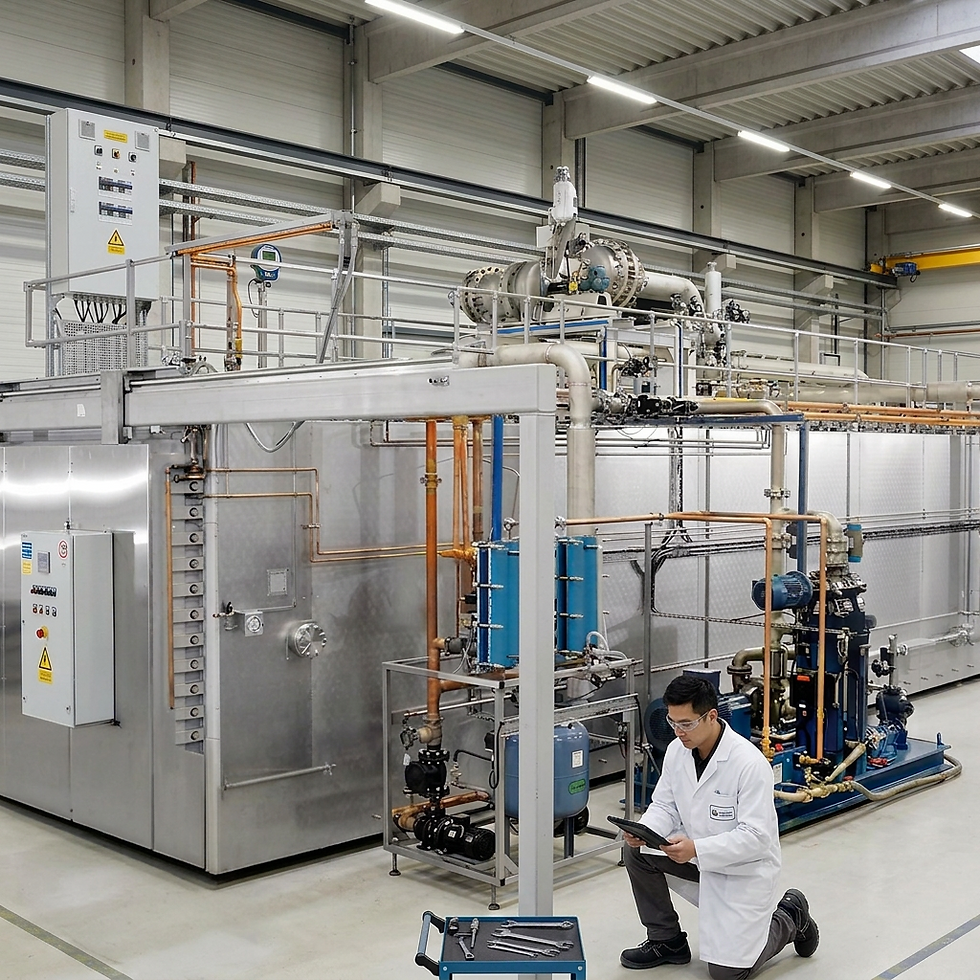
EtO sterilization isn't as simple as spraying a room with gas. It takes place inside heavily sealed, automated vacuum chambers and follows a strict three-step process to ensure both efficacy and safety.
Stage | What Happens | Why It Matters |
1. Pre-Conditioning | The chamber is evacuated, and moisture (humidity) and heat are introduced. | EtO needs moisture to work. Dry cell walls become resistant, so raising the humidity to 40-80% "softens" the microbes. |
2. Gas Exposure | EtO gas is injected into the chamber. It is held at a specific concentration and temperature for several hours. | This is the actual sterilization phase. The gas permeates through boxes, plastic films, and complex device tubing to reach every nook and cranny. |
3. Aeration | The gas is pumped out, and the chamber undergoes repeated flushes of fresh air. | EtO is toxic and flammable. Aeration bakes out any residual gas trapped in the materials, making the products perfectly safe for human handling. |
Why Use EtO? The Major Benefits
If EtO is a hazardous gas, why do we use it so widely? Because it possesses unique properties that other sterilization methods simply cannot match:
Material Compatibility: It operates at low temperatures (typically between 37°C and 63°C). This means it won't melt plastic, degrade electronics, or warp sensitive medical optics.
Deep Penetration: EtO can breathe through breathable packaging (like Tyvek) and travel down long, narrow tubes (lumens) of devices like catheters, sterilizing the inside and outside simultaneously.
Mass Scale: Entire pallets of wrapped boxes can be rolled into massive chambers and sterilized all at once, keeping global medical supply chains moving.
Safety and Responsibility
Because EtO is a known carcinogen, the medical sterilization industry operates under incredibly strict regulatory guardrails. Sterilization facilities utilize advanced scrubbers and catalytic oxidizers to capture and destroy over 99% of EtO emissions before air is released into the atmosphere.
Ultimately, EtO remains an irreplaceable pillar of modern healthcare—a silent, chemical shield that ensures the tools doctors use to save lives are completely safe and sterile.
Want to know more about Ethylene oxide sterilization? book one of our online course.


Comments