

Limited Operational Visibility: The Hidden Risk of Outsourced EtO Sterilisation

Limited Operational Visibility: The Hidden Risk of Outsourced EtO Sterilisation
Outsourcing ethylene oxide sterilisation gives medical device manufacturers access to specialist infrastructure and expertise. But it also creates a critical challenge: the manufacturer remains responsible for product quality, compliance, and continuity while having limited control over day-to-day operations.
The contract steriliser controls chamber scheduling, load assembly, equipment maintenance, cycle execution, aeration, deviation handling, and processing records. When visibility into these activities is limited, manufacturers may discover problems only after product release is delayed or supply has already been disrupted.
Common warning signs include:
Unexpected changes to processing schedules
Repeated cycle deviations or aborted loads
Slow delivery of sterilisation records
Extended aeration or quarantine periods
Incomplete deviation investigations
Unplanned equipment downtime
Capacity constraints disclosed too late
Changes to processes, chambers, or load configurations without adequate notice
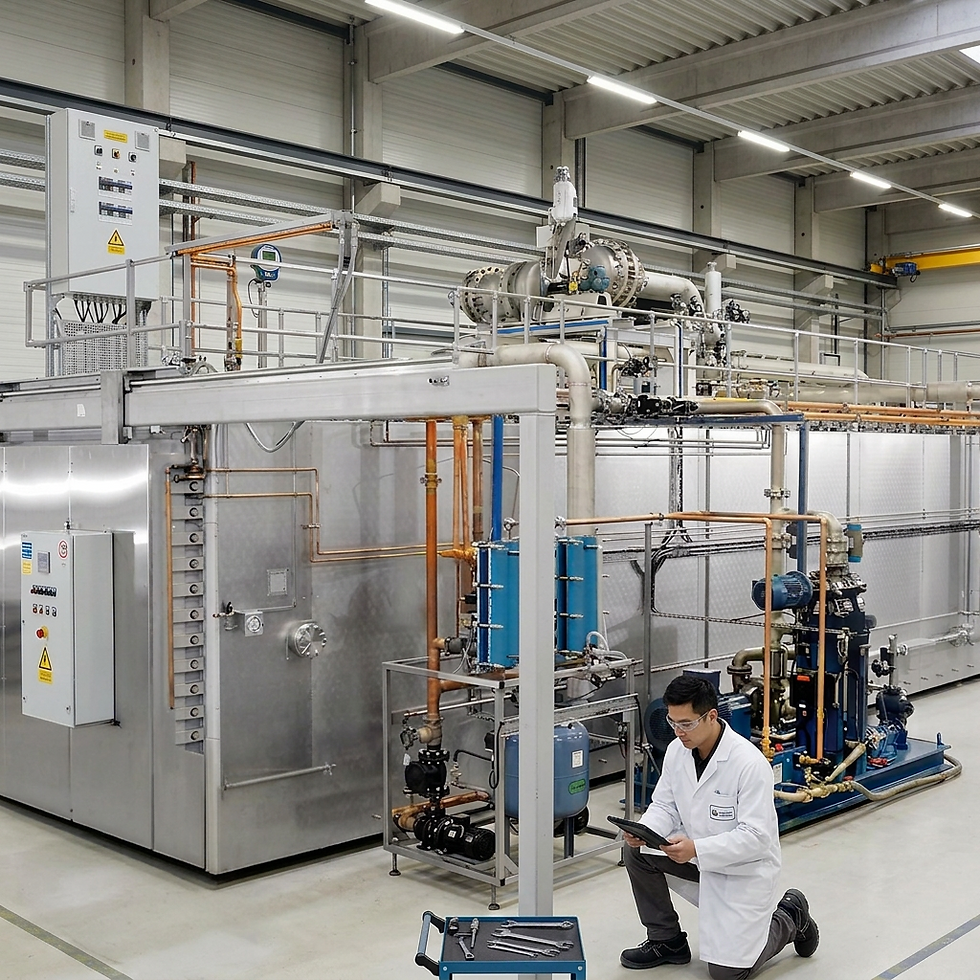
A certificate of processing is not enough. Manufacturers need a governance model that provides timely access to meaningful information.
This should include:
A detailed quality agreement defining notification timelines, change-control requirements, investigation responsibilities, record access, and release authority.
Agreed performance indicators covering on-time processing, deviations, aborted cycles, record errors, investigation closure, equipment downtime, and available capacity.
Routine operational reviews involving quality, regulatory, supply-chain, engineering, and microbiology teams.
Clear escalation triggers for repeated deviations, missed processing slots, environmental compliance concerns, or declining service performance.
Business-continuity planning, including alternative chambers or sites, realistic transfer timelines, and suitable safety-stock levels.
The objective is not to manage the supplier's facility remotely. It is to gain enough visibility to identify emerging risks before they affect product release, regulatory compliance, or patient supply.
EtO sterilisation may be outsourced, but accountability is not. Effective supplier oversight is a core quality-system and business-continuity capability - not simply a procurement activity.


Comments